When I think of a homemaker I think of Ma Ingalls in her handmade apron, with a baby on her hip and a wooden laddle stirring something on the stove! Homemaking skills have become a lost art in our culture of fast-paced, instant gratification. But these skills are valuable and meaningful!
I hope you find this list to be an encouragement of areas you can grow in for years to come! Don’t be intimidated if you have no idea how to do half of the things on this list. You have your entire life to learn!
COOKING FROM SCRATCH
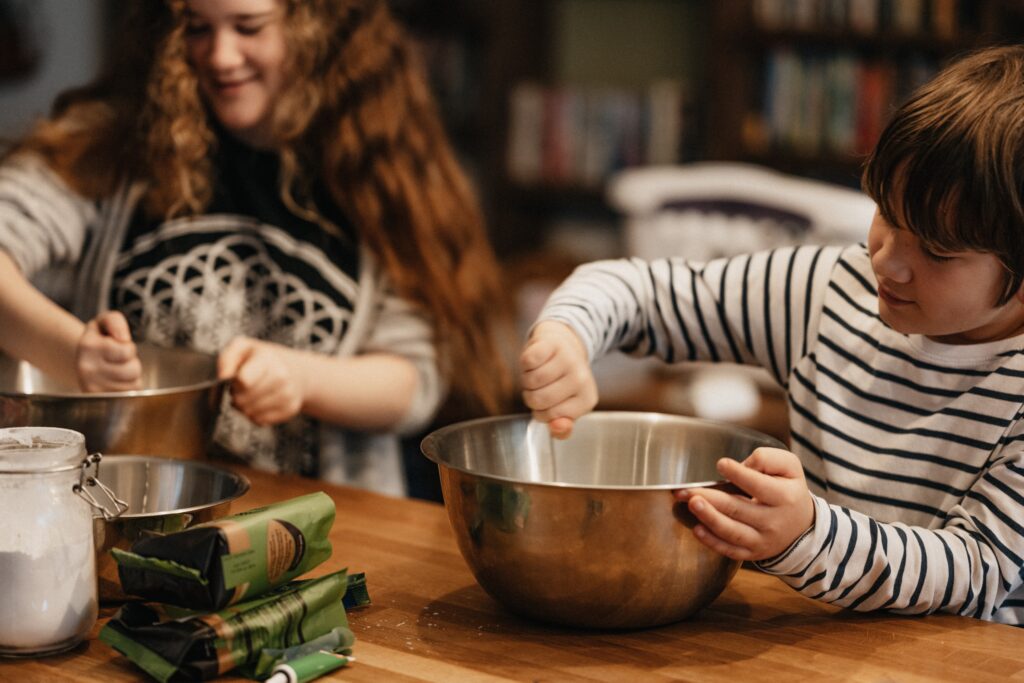
Cooking from scratch doesn’t mean you need to be confident putting together a 4 course meal with dozens of complicated ingredients and recipes. But that you are able to take simple ingredients – milk, eggs, flour, meats, vegetables – and create nourishing meals for your family.
Do you love to browse Pinterest for inspiration and follow recipes to a tee? Or would you rather just throw a meal together from the contents of your fridge?
Both of these are great! And maybe you’re even a mix of the two. Learning how to take simple ingredients to create a balanced meal is an important homemaking skill.
Some things I love to be able to make from scratch are:
- Homemade bread! Cheaper and much more delicious than store-bought bread with less than ideal ingredients. Sourdough bread is made with just flour, water and salt!
- Soups. A great way to use up ingredients that may soon go bad.
- A roasted chicken. Nothing makes me feel like more of a grown up than pulling a beautifully roasted whole chicken out of the oven! Depending on the size of the chicken, it may even feed your family for many meals and you can use the bones to create a healing bone broth.
- A roast. A classic meal complete with carrots, potatoes and gravy!
- The perfect chocolate chip cookie. Need I say more?!
KEEPING A TIDY HOME
For years I was frustrated with myself for not being able to keep my home perfectly tidy at all times. Until I realized that this is a skill we can learn, and not something that you’re either born with or not! That should encourage you that even if you are a naturally messy or disorganized person, you can learn how to keep a tidy home.
A seasoned homemaker doesn’t always have a perfectly clean home! Our homes are a place where life happens, children play, we cook, eat and create. Messes happen! But creating a routine to manage your home without overwhelm is a helpful skill to learn.
In this post I teach you how to create a rhythm to maintain a happy home!
Every family has different priorities and standards when it comes to cleanliness. Some things that I like to do every single day to maintain a clean + tidy home are:
- Make the beds
- Open the blinds
- Put away clean dishes
- Clean up after meals
- Put the kitchen “to bed” in the evening
- Straighten up the living room
- Put away items that are out of place
- Spot vacuum if necessary
ORGANIZING
This is another habit that we often believe you either have or don’t have. But again, organization is a skill that can be cultivated over time.
A key part of organization is decluttering. You can organize a closet over and over again, but it keeps ending up messy you likely need to declutter it.
Here’s my process for decluttering + organizing a space:
- Choose one space. I don’t recommend decluttering an entire room at once, with the exception of maybe a small bathroom or bedroom. In larger spaces or spaces with more items I’d recommend choosing one part to start with. Maybe the closet, bookshelf, desk, etc. Commit to this space and try not to get distracted by other things!
- Take everything out! This is why I recommend decluttering and organizing a smaller space at once. If you choose to declutter a closet – take everything out. EVERYTHING. Put it all on a table, the floor, the bed, etc.
- Clean the space. Once everything has been removed, completely clean a space out. Vacuum or mop the floor, dust and wipe surfaces.
- Set up piles. One to keep, one to donate, one to throw away, and potentially one of items that don’t belong in that space. I like to use trash bags or laundry baskets to sort items.
- Go through your items, one piece at a time. The main reason I recommend taking everything out is because it requires you to handle each item as you place it back in. Take your time sorting through the items and placing them in the piles you’ve created.
- Throw away any trash, remove items to donate.
- Assess your storage. Whether you’re organizing your pantry, office or closet, there’s a good chance you’ll want to reassess storage solutions. Feel free to “shop your home” and grab any baskets or boxes that you can use. Then decide if you need to purchase any new storage items. Don’t forget to take measurements before heading to the store!
- Put everything away! The most rewarding part when you get to put items away in their new home.
KEEPING A BUDGET
Learning to keep a budget is an intimidating skill for many homemakers!
There are lots of budgeting methods, philosophies and goals. What’s most important is that you sit down with your spouse or partner and discuss what your priorities are.
Some questions to ask:
- Who is responsible for paying bills?
- Is paying off debt important to us?
- How much do we want to have saved for retirement by the end of this year? 5 years? 20 years?
- What large financial goals do we have this year? 5 years?
- Do we have other goals such as a vacation, kitchen remodel, or new car fund?
- Can one of us bring in more income with a side hustle or new job?
- Where do we need to make cuts?
- What can be automated?
- What are we doing well?
HOSPITALITY
The skill of hospitality doesn’t mean you need to be an extrovert who loves large crowds. Nor does it mean you have a perfect, large home for hosting groups.
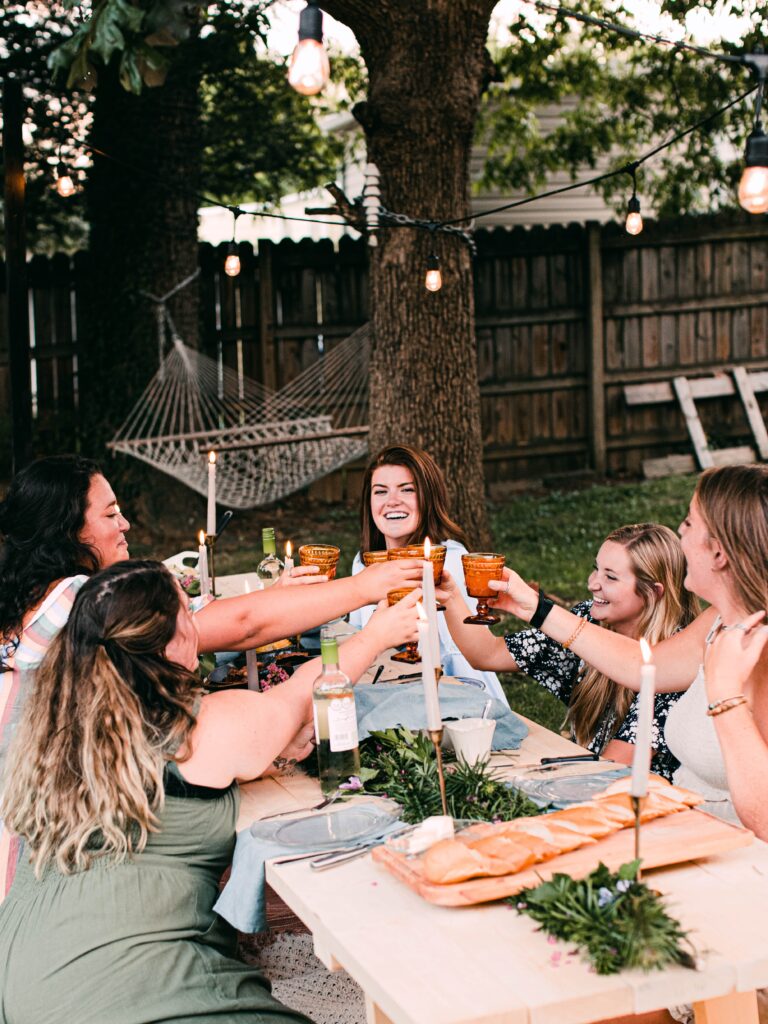
The goal of hospitality is to make other people feel welcomed and loved in your home.
Some practical ways to cultivate the homemaking skill of hospitality:
- Perfect the 10 minute tidy! You don’t need to stress over your home being perfect for guests! But being able to quickly tidy up the main areas in 10-15 minutes is a great way to prepare for guests.
- Always keep baked goods in your freezer. Next time you make a batch of cookies or muffins, double it and put the extras in your freezer to pull out when you have guests!
- Keep your drinks stalked. I love having an assortment of teas for my guests. Maybe you like to have wine, sparkling waters, or juice on hand for your guests.
- Cozy scents + lighting. Nothing makes a space feel more welcoming than yummy smells and soft lighting. I love to diffuse essential oils and light a few beeswax candles.
STAYING HEALTHY
Over the years our society has lost personal responsibility for our health. But there is so much you can and should be doing to manage your own health.
Learn to manage stress
Stress is an overlooked element of our health. But when your body is in a state of stress we can quickly see physical symptoms such as weight gain/loss, skin issues, digestion problems, anxiety, fatigue or struggles sleeping, etc.
CREATE A SUPPLEMENT REGIMEN
Supplementation is an important aspect of our health. Your doctor is a good starting point, but may not actually know a lot about supplementation. There are lots of books, online resources or holistic practitioners who can help you create a supplement routine specific to your needs!
PRACTICE PREVENTATIVE HEALTHCARE
Western medicine tends to take a reactive approach to healthcare. But by taking a preventative approach to your health, you can help keep your family healthy and avoid larger issues arising.
LEARN TO TREAT MILD ISSUES
While you should maintain a relationship with a trusted healthcare professional, there is also so much you can do for your family’s health at home! Learn remedies to treat issues such as a runny nose, sore throat, rash, or stomach bug with essential oils, herbs, homeopathy, etc.
GARDENING
For many years gardening was just considered a hobby – much like playing soccer, or learning an instrument. The past few years I think people are seeing gardening as much more of an essential skill!
Learning to grow your own food is one of the most rewarding homemaking skills, in my opinion.
Plus it’s physical exercise, time outdoors and can be done with your kids!
Gardening can feel overwhelming if you’ve never done it. Maybe you even believe that you have a black thumb. But with lots of research and a little bit of practice you can grow food for your family!
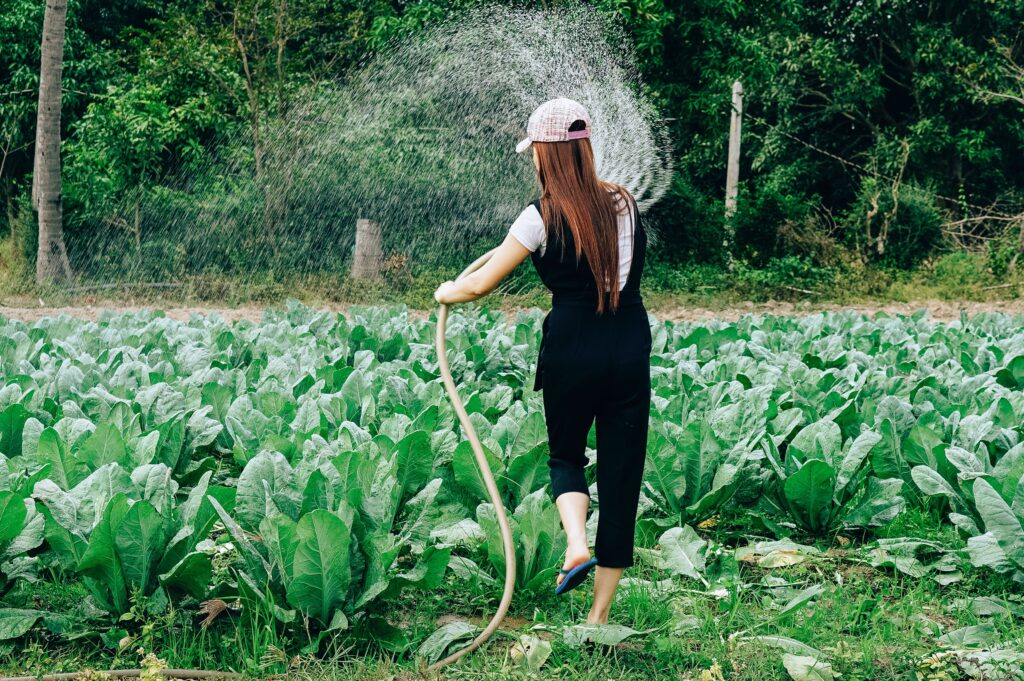
Start small with a few pots of herbs for your patio, or a small vegetable garden. Once you get the hang of that add on another space!
MAKING YOUR OWN PRODUCTS
DIY products is a broad homemaking skills but could include sewing, knitting, DIY skin care or soap making, woodworking, etc.
This is an aspect of homemaking that you can personalize! What’s something you love doing or would love to learn? A creative outlet can be a rewarding, yet practical way to spend time.
I hope you feel inspired by these homemaking skills. Whether you’re brand new to the homemaker lifestyle or have been a full-time homemaker for many decades – there is always room to expand and improve on these skills.


Leave a Reply